Thomas S. Payne, Calvin O. Qualset, James “Jim” S. Schepers and the late James “Jim” Specht, University of Nebraska–Lincoln alumni, received the Department of Agronomy and Horticulture 2025 Alumni Lifetime Achievement Award.
This award is the highest honor bestowed upon graduates of the Department of Agronomy and Horticulture who have made significant contributions to their community, state and nation through professional service, public service and/or civic engagement. The award was founded in 2016 to recognize alumni who have enhanced the reputation of the department and the university by distinguishing themselves in their careers. Honorees are selected by the Agronomy and Horticulture Alumni Advisory Council (AHAAC).
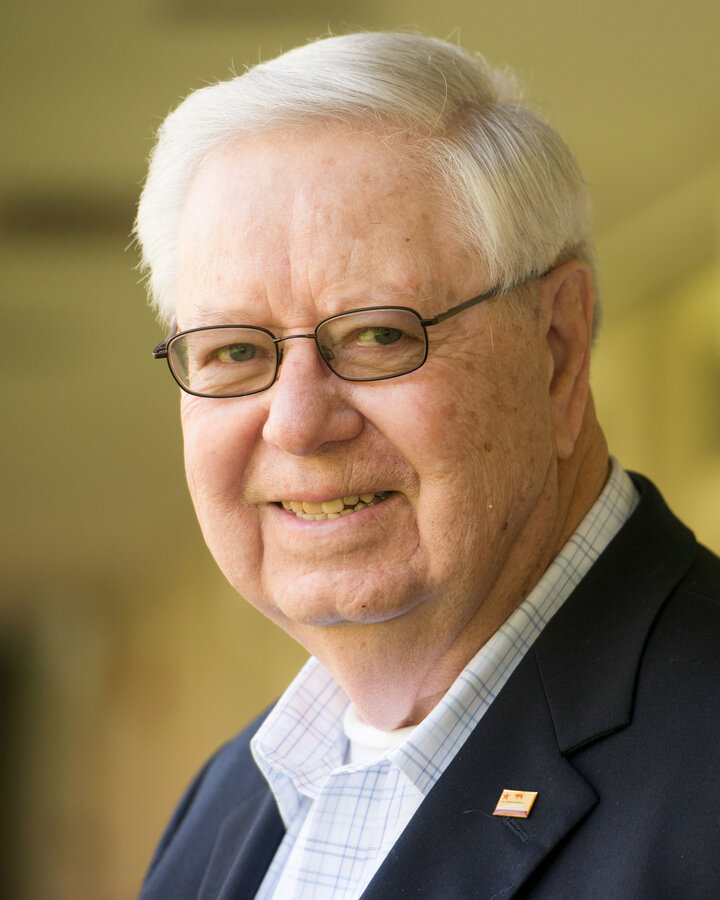
Calvin O. Qualset
Calvin O. Qualset is an internationally respected geneticist and plant breeder whose work has strengthened cereal crop productivity and sustainability. Over decades at the University of California, Davis, he contributed to the development and release of more than 24 improved wheat, barley, oat and triticale varieties, helping to transform California agriculture and improve food systems worldwide. During his tenure, wheat yields in California doubled and acreage expanded threefold, reflecting the combined impact of improved genetics and sound agronomic practices.
Qualset was raised on a farm near Newman Grove, Nebraska, and graduated from Newman Grove High School in 1954. From his high school teachers and participation in the National FFA Organization and in 4-H he developed an early appreciation for agriculture. This shaped his distinguished career devoted to crop improvement and agricultural biodiversity conservation.
He earned a bachelor’s degree in technical agriculture from the University of Nebraska in 1958. He went on to UC, Davis, where he earned his master’s degree in agronomy in 1960 and a doctoral degree in genetics in 1964. In 1966 he completed advanced training in quantitative genetics at Brown University through a Summer Institute sponsored by the National Science Foundation.
Qualset began his academic career as an assistant professor at the University of Tennessee, Knoxville, in 1964 before joining the faculty at UC Davis, in 1967. He progressed through the academic ranks to professor in 1973 and continued his association with UC Davis as an emeritus research professor following his formal retirement in 1994.
Beyond cereal grain variety development, Qualset played a foundational role in shaping national and international efforts to conserve crop genetic diversity. He was the founding director of the UC Genetic Resources Conservation Program, serving from 1985 to 2002, and continued as emeritus thereafter. In this role, he helped establish policies, programs and scientific approaches that strengthened the conservation and use of plant genetic resources in the United States and abroad. His expertise was sought by numerous organizations, including the National Science Foundation, the United States Department of Agriculture, U.S. Agency for International Development, and the Environmental Protection Agency, where he provided science-based guidance on genetic resources and sustainability. He served on several program reviews of international centers of the Consultative Group for International Agricultural Research and served on the Board of Trustees for the International Rice Research Institute. He was a key organizer and manager of projects in Mexico and Turkey directed to on-farm conservation of landrace varieties of crops, including wheat, maize, beans and squash.
Qualset leadership also extended into UC Davis administration. He served two terms as chair of the Department of Agronomy and Range Science, was associate dean of the College of Agriculture and Environmental Sciences, chaired the Graduate Group in Genetics, acted as director of the Foundation Seed and Plant Materials Service, and led grant proposal review efforts for the California Bay–Delta Authority Ecosystem Restoration Program. After retirement he continued to serve the university as interim founding director of the Agricultural Sustainability Institute, exemplifying a lifelong commitment to institutional citizenship and leadership.
Qualset was dedicated to the education and mentorship of students. Over his career, he advised 27 doctoral students, 24 master’s degree students, and more than 35 postdoctoral and visiting scientists. He taught undergraduate and graduate courses in genetics, world cereal crops, agrobiodiversity conservation, quantitative genetics, selection theory, and statistics and experimental design. He was also a frequent lecturer in the International Maize and Wheat Improvement Center Wheat Breeding Training Program and delivered invited lectures in more than ten countries. His former students and trainees held leadership positions in universities, research institutes, and national crop improvement programs around the world, extending his impact far beyond his own work.
Internationally, Qualset made enduring contributions through his close collaboration with International Maize and Wheat Improvement Center, where he served for a decade as scientific liaison officer from USAID, and through long-term engagement in Eastern Europe. Following retirement, he traveled repeatedly to Lithuania, where he and a U.S. based team established a non-profit foundation, designed and operated a research and demonstration farm, and guided research programs to introduce high-value crops to small scale farmers. Asparagus was introduced and is now grown by more than 100 farmers throughout Lithuania. These efforts underscore his belief that science should directly benefit farmers and food systems globally.
Throughout his career, Qualset was committed to professional societies, serving as president of both the American Society of Agronomy and the Crop Science Society of America, and elected Fellow of ASA, CSSA, and the American Association for the Advancement of Science. He served on numerous national and international committees, reflecting the high regard in which he is held by colleagues. Recognized for his humility, work ethic and hands-on leadership, he modeled excellence by leading through example whether mentoring students, working alongside his team in the field or directing complex programs.
He resides in Davis, California, with his wife Kathleen (Kitty). Their three children, Douglas, Cheryl and Gary, live nearby in Sacramento, Folsom and Rohnert Park, California.
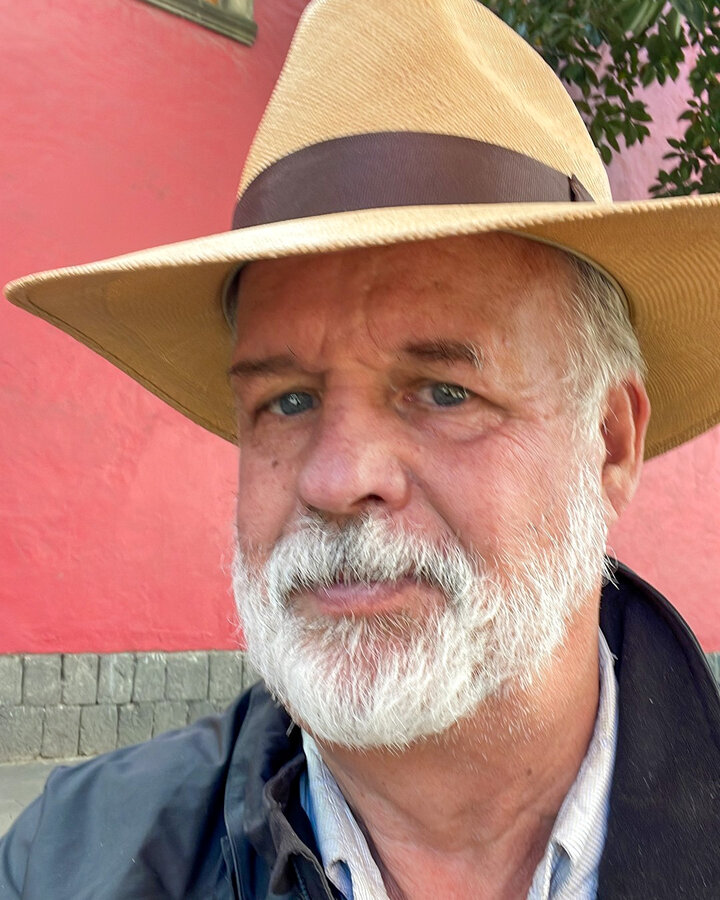
Thomas S. Payne
Thomas S. Payne has devoted his life on strengthening the genetic foundation of one of the world’s most important food crops and helped shape global wheat improvement and conservation. He spent his entire professional career with the International Maize and Wheat Improvement Center, the world-renowned nonprofit agricultural research center founded by Nobel Peace Prize laureate Norman Borlaug.
CIMMYT operates under the global agricultural research partnership known as the Consultative Group on International Agricultural Research, with a mandate to improve food security in developing and food-insecure nations.
Payne served as head of CIMMYT’s Wellhausen-Anderson Wheat Genetic Resources Collection, the largest and most heavily utilized wheat germplasm bank in the world, until his retirement. The living catalog contains more than 140,000 wheat seed collections and serves as the primary global repository for wheat genetic resources recognized under international frameworks. The center also houses tens of thousands of maize accessions. Payne coordinated the conservation, health testing and worldwide distribution of wheat germplasm to researchers and breeders. Seeds are distributed free of charge to scientists around the globe, forming the backbone of breeding programs aimed at improving yield, disease resistance, climate resilience and nutritional quality.
“Gene banks are the foundation of agricultural productivity and research,” Payne said. “Genetic diversity enables resilience to climate change, changing agricultural practices and emerging diseases and pests.”
In addition to leading the germplasm bank, Payne directed the CIMMYT International Wheat Improvement Network, a global partnership of hundreds of scientists testing around 1,000 new wheat lines annually across more than 700 sites in over 90 countries. Each year, thousands of experimental wheat lines are shipped to nearly 100 sites across six continents for cooperative evaluation. These international nurseries allow breeders to compare materials under shared environments, accelerating cultivar development at a global scale.
Beyond research, Payne became one of CIMMYT’s most trusted institutional leaders. He served as assistant director and interim director of the Wheat Program and as secretary of the CIMMYT Board of Trustees during periods of significant restructuring within CGIAR. Colleagues credit him with providing steady leadership and fostering collaboration across cultures and continents.
Payne played a key role in the development and implementation of the GRIN-Global system, helping position CIMMYT as a central partner in modernizing germplasm data management across CGIAR genebanks. He also served as chair of the Article 15 Group of Genebank Managers.
Throughout his career, Payne lived and worked in Yugoslavia, Turkey, Syria, Zimbabwe, Ethiopia and Mexico, strengthening regional wheat breeding and pathology programs. His early roles included postdoctoral fellowships in bread and durum wheat breeding and leadership of European Union funded wheat improvement networks in eastern and southern Africa.
In 2019, Payne received the Alumni Master Award from the University of Nebraska–Lincoln’s College of Agricultural Sciences and Natural Resources, and the Frank N. Meyer Medal for Plant Genetic Resources from the Crop Science Society of America. The Meyer Medal recognizes distinguished service in the conservation and use of plant genetic resources for the benefit of humanity.
Payne was born in Lincoln, Nebraska, in 1958 and graduated from Lincoln Northeast High School in 1977. His interest in plants was sparked when his grandmother gave him David Fairchild's book, “The World Was My Garden.” Nebraska Public Media’s Backyard Farmer program also pulled him into agriculture and for a time he imagined he would become a horticulturist.
He attended Nebraska and earned his bachelor’s degree in crop production in 1981. As an undergraduate he worked on the Nebraska wheat crews for former professor emeritus Virgil Johnson and former professor emeritus John Schmidt, recognized United States Department of Agriculture and Nebraska wheat breeders.
He played bass viola in Nebraska’s orchestra, and played the Scottish bagpipes and the Turkish ud. Payne completed a master’s degree in plant breeding from the University of Minnesota. He went on to earn his doctorate in plant breeding and genetics in 1988 from Nebraska.
Though he once expected to follow his father into academia, an unexpected opportunity at CIMMYT after graduation redirected his path, one that would ultimately influence wheat production across much of the globe.
Colleagues describe Payne as a consummate scientist with exceptional organizational skills, professionalism and a deep respect for the diverse communities he served. His career reflected CIMMYT’s guiding principle, often attributed to Borlaug – take the science to the farmer.
Through conservation of genetic diversity and coordination of global wheat improvement efforts, Payne’s work has helped safeguard a crop that provides roughly one-fifth of the world’s calories and protein, and quietly strengthened food security for millions worldwide.
Payne, an ecclectic gardener, lover of diversity and wandering traveler, is retired and living near Chapala, Jalisco, Mexico. He currently serves on the board of the botanical garden Jardin Botanico de Chapala, and is a member of Ajijic Cares.
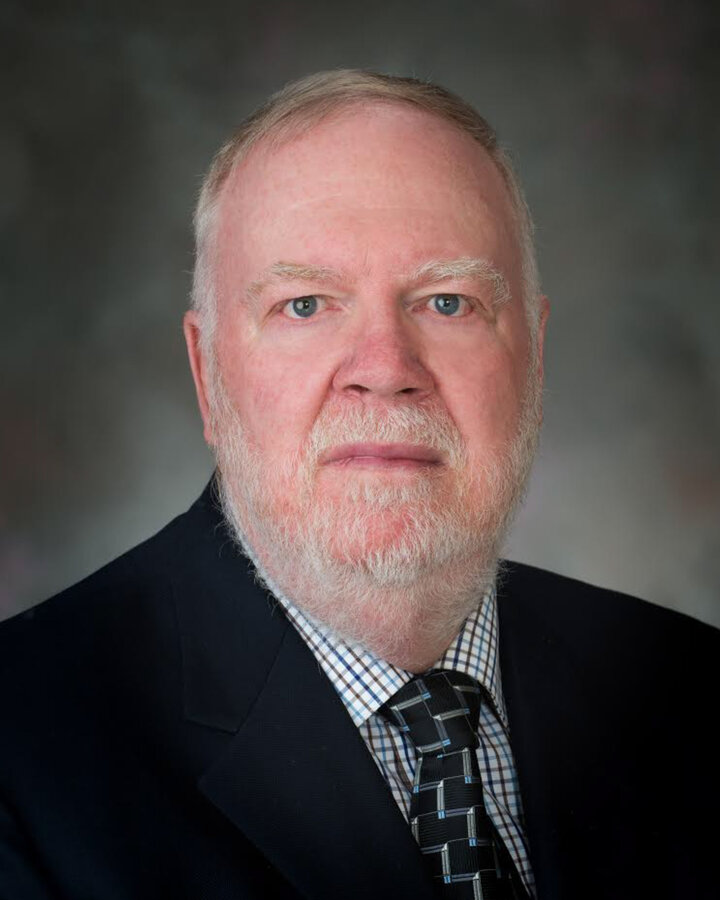
James “Jim” S. Schepers
James “Jim” S. Schepers’ contributions to soil science and precision agriculture have transformed nitrogen management in cropping systems, delivering lasting benefits for agricultural producers, groundwater quality and the global environment. His work focused on developing tools and strategies to enhance nitrogen use efficiency while minimizing nitrate leaching and gaseous emissions. The outcome of his research was the development of an active crop canopy sensor capable of monitoring plant chlorophyll status and vigor in real time and any time of the day. This technology treats the crop itself as a biological sensor and enables in-season nitrogen applications tailored to crop needs by applying additional nitrogen only where and when it is needed. This strategy helps to guide more precise and sustainable fertilizer applications which optimizes nitrogen use efficiency, reduces environmental impacts and increases farm profitability.
Born in 1946 and raised on an irrigated farm in the Platte River Valley near Shelton, Nebraska, Schepers developed an early appreciation for agriculture as the oldest of five children. His involvement in 4-H and Future Farmers of America helped spark a curiosity about soils and crop production that would define his career.
He enrolled at the University of Nebraska in 1964 as an agricultural honors student and earned a Bachelor of Science degree in 1968. As an undergraduate he was an active member of the Soil Judging Team and served as president of the Agronomy Club. He continued his education at the University of Nebraska–Lincoln, earning a master’s degree in soil science in 1970, followed by a doctoral degree in agronomy and soil science from the University of Illinois in 1973.
Schepers began his professional career at the University of Georgia in 1973 as an assistant professor in the Department of Agronomy, where he taught soil physics and conducted irrigation research. He served as the Agronomy Club advisor while in Georgia and later at Nebraska. In 1975, he joined the United States Department of Agriculture’s Agricultural Research Service in Lincoln where he spent more than three decades. From 1995 to 2008, he served as research leader of the Soil and Water Conservation Research Unit, guiding multidisciplinary teams addressing some of agriculture’s most pressing environmental challenges. He also held an appointment as an adjunct professor in Nebraska’s Department of Agronomy and Horticulture, mentoring graduate students and collaborating extensively with faculty.
Throughout his career, Schepers focused on improving nitrogen management practices to increase nitrogen use efficiency while protecting groundwater and reducing atmospheric losses. He contends that he found himself in the right position at the right time throughout his career with projects funded by U.S. Environmental Protection Agency, USDA, Burlington Northern Railroad, a Presidential Initiative, the Resource 21 consortium and industry. These projects with the university and USDA ARS collaborators provided a platform for innovation where graduate students developed new technologies.
His research journey reflects a continuous drive to improve practical nitrogen management tools. Early efforts involved plant tissue testing and chlorophyll measurements to assess crop nitrogen status. He then helped calibrate Minolta SPAD chlorophyll meters for scheduling fertigation, though this method proved labor-intensive. Seeking more efficient solutions, he encouraged students and collaborators to explore mobile sensing technologies, leading to partnerships with Li-Cor and the development of sensing systems for evaluating crop vigor. This research generated an awareness for how remote sensing could be used to improve nutrient and water management. These technologies are now common with drone, aircraft and satellite imagery.
Throughout his career, he fostered collaborations with industry and international partners, including the International Atomic Energy Agency, the Brazilian Agricultural Research Corporation, the Environmental Defense Fund and the Organization for Economic Cooperation and Development in Paris.
A prolific scholar, Schepers has authored or co-authored more than 225 scientific publications, including over 100 refereed journal articles, as well as book chapters and numerous invited presentations.
Numerous awards from professional societies followed and reflect the profound impact of his work. He is a Fellow of both the Soil Science Society of America and the American Society of Agronomy. Fellow is the highest honor awarded by these organizations, recognizing outstanding leadership, professional excellence and significant contributions to the field.
One of his perpetual accomplishments was the co-organization of a Nitrogen Use Efficiency workshop with the late William (Bill) Raun in 2003 for graduate students and scientists in the Midwest to improve nitrogen use efficiency.
Since retiring in 2008, Schepers enjoys gardening, reviews papers and helps insurance companies work through producer claims against cooperatives that make alleged misapplications of fertilizers and herbicides.
Co-participants in his career are his wife, Marilyn, of 57 years and their four sons for supporting his various efforts, activities and travels.

James “Jim” Eugene Specht
September 12, 1945 – February 13, 2026
James “Jim” Eugene Specht was a nationally recognized authority in soybean genetics, physiology and crop production whose work helped define modern soybean productivity. Over a 50-year career, he advanced both the scientific understanding and on-farm performance of soybeans, improving yields, water use efficiency and profitability for growers across the United States and beyond. Guided by the principle, “You can observe a lot by watching,” he combined careful field observation with cutting-edge genomics to address complex agronomic challenges.
Specht was raised near Scottsbluff, Nebraska, on a farm that produced irrigated sugar beets and other crops. He graduated from Lyman High School in 1963. He attended the University of Nebraska-Lincoln and received his Bachelor of Science degree in agronomy in 1967. A genetics course taught by former emeritus professor David McGill sparked his passion for genetics. Former professor emeriti Francis Haskins and former professor emeriti Herman Gorz also helped encourage his enthusiasm and interest in studying plants. He was awarded a Keim Scholarship in 1965 and became a teaching assistant and learned that both instructor knowledge and student engagement were critical for successful teaching. He also worked as an undergraduate research assistant, learning the importance of the scientific method.
Specht then attended the University of Illinois, Urbana-Champaign, in pursuit of a master’s degree in maize genetics and breeding. This was interrupted by United States Army military service during the Vietnam War. After completing his service, he returned to Illinois to finish his degree in 1971.
In 1968 he met Pamela Hammers who was also working on a master’s degree. They married in 1969. Their marriage of 57 years was filled with fun and laughter. Together, they explored the world, traveling to more than 50 countries. In early years of marriage, they camped and hiked, visiting all national parks west of the Rockies.
Specht completed a doctoral degree in 1974 at Nebraska focusing on soybean genetics and physiology.
In 1975 he began his career at Nebraska as an assistant professor in the Department of Agronomy and Horticulture. As a soybean physiologist and geneticist, he studied soybean yield response to drought and water irrigation providing expertise to Nebraska growers on optimized irrigated production practices.
Specht advanced through the academic ranks to be named the Charles E. Bessey Professor and Professor of Agronomy and Horticulture. In 2010, he became the first recipient of the Francis & Dorothy Haskins and Charles E. Bessey Professorship in Plant Genetics, an endowed position established to recognize excellence in plant genetics research.
Internationally recognized for his leadership in applying modern genomic tools to soybean improvement, Specht contributed to a national research team that developed the first molecular marker–based genetic map of soybean, organized into 20 linkage groups. This work helped position soybean among the first major crops with a fully mapped genome. Published in Nature in 2010, the soybean genome sequence paper marked a turning point in soybean genomics and laid the groundwork for advances in genetic marker technologies, including high-resolution mapping and the eventual assembly of the complete soybean genome.
Specht’s research on fine-mapping genes that control seed protein and oil content, as well as nitrogen fixation, has also contributed directly to improved agronomic practices, higher yields, and greater resource efficiency.
Specht is widely recognized for his research on the genetic basis of soybean yield response to water availability. In two seminal Crop Science papers, he was the first to demonstrate that soybean yield response to variable applied seasonal water amounts was linear and that genotypes differed in that response. He also showed that the standard water use efficiency was negatively associated with yield under drought stress. By mapping genomic regions associated with yield response to water, his work established that these responses are genetically controlled traits, enabling the identification and manipulation of genes to enhance water productivity across diverse environments and production systems.
Beyond the laboratory, Specht translated science into practice. He was a strong advocate for earlier soybean planting to maximize yield potential and, through research-based recommendations, helped shift average planting dates in Nebraska and across the Midwest from mid-May to mid-April. To improve irrigation efficiency, he organized a research team that developed SoyWater, an online decision-support tool enabling producers to implement “just-in-time” irrigation strategies that reduced water use without sacrificing yield.
Specht’s scholarly record reflects his profound and lasting impact on crop science. His unique integration of plant genetics, genomics, physiology and agronomy reshaped soybean research and production, influencing global efforts to enhance yield, resource efficiency and sustainability.
Specht made significant contributions to graduate education in plant sciences by developing and teaching specialized courses that bridged theoretical principles with practical applications in crop improvement. His courses integrated genetics, physiology and agronomy, providing students with a comprehensive understanding of crop improvement strategies. He mentored numerous graduate students, many of whom advanced to prominent positions in academia, industry and extension services, thereby amplifying his impact on the field by fostering the next generation of soybean scientists.
Specht received numerous honors. A few of these include fellowships in the Crop Science Society of America, American Society of Agronomy and American Association for the Advancement of Science. He also received the ASA Agronomic Achievement Award, CSSA Crop Science Research Award, United States Soybean Board Outstanding Achievement Award, American Soybean Association Production Research Award, American Soybean Association Special Meritorious Service Award, Nebraska Soybean Board Larry Tonniges Research Achievement award and in 2012 was inducted into the Nebraska Hall of Agricultural Achievement.
As a scientific advisor to the United Soybean Board and the Nebraska Soybean Board, Specht played a key role in directing funding priorities toward genetics and physiology research.
Specht retired in 2014 but remained an active and steady presence in the soybean community, continuing to support research, outreach and producer engagement.