Driving Innovation: New Frontiers in Plant Science 2.0
Nebraska Innovation Campus Conference Center, Lincoln
Tuesday, April 7, 2026
8 am – 5:30 pm
About the symposium
The Nebraska Plant Science Symposium is a part of a biennial series which began in 2012. In 2015, the Symposium became an annual event. It is affiliated with the Corteva Symposium Series spanning multiple universities, facilitated by Corteva Agrisciences.
The goal of the symposium series at the University of Nebraska–Lincoln is to enhance agricultural scientific literacy, stimulate collaboration, and help build interest in plant science careers. This one-day symposium is free, open to the public, and offered via webinar to the broader scientific community around the world.
Questions? Contact us!
Agenda
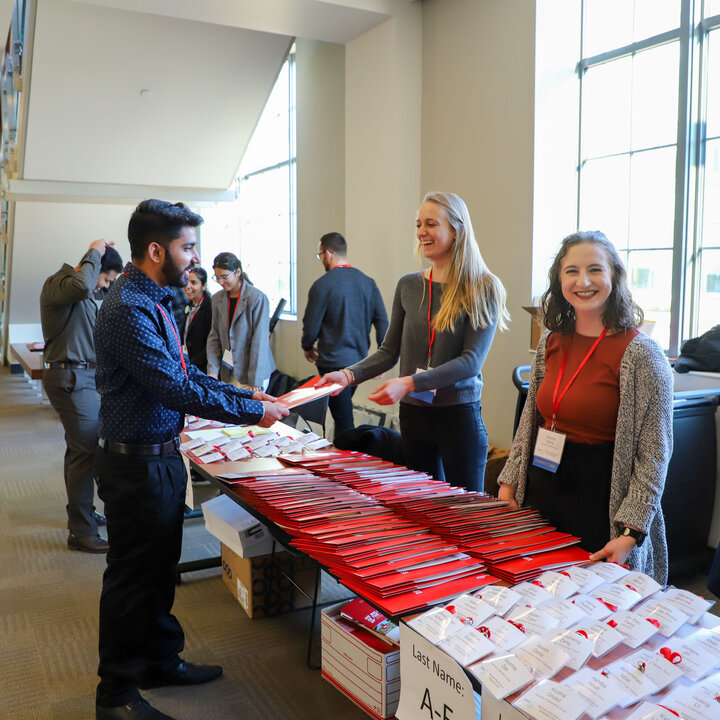
| 7:30–8:00 am | Registration (30 min) |
8:00–8:10 am | Welcome (10 min) - Dr. David Holding |
8:10–8:20 am | Introduction to Symposia Series (10 min) – Jason |
8:20–9:05 am | 1st Plenary Talk (45 min) – Academia |
9:05–9:50 am | 2nd Plenary Talk (45 min) – Academia |
9:50–10:05 am | Coffee Break/Networking (15 min) |
10:05–10:50 am | 3rd Plenary Talk (45 min) – Academia |
10:50–11:05 am | 1st Student Speaker (15 min) |
11:05–11:20 am | 2nd Student Speaker (15 min) |
11:20–11:35 am | 3rd Student Speaker (15 min) |
11:35–11:50 am | 4th Student Speaker (15 min) |
11:50–12:35 pm | Lunch (45 min) |
12:35–1:25 pm | Flash Talks (50 min) |
1:25–2:10 pm | 4th Plenary Talk (45 min) – James |
2:10–2:55 pm | 5th Plenary Talk (45 min) – Jennifer |
2:55–3:55 pm | Poster Session (1 hour) |
3:55–4:00 pm | Transition Buffer (5 min movement between floors) |
4:00–5:00 pm | Panel Discussion (1 hour) |
5:00–5:30 pm | Student Presentation, Poster Awards & Closing Remarks (30 min) |
5:30 pm | Wrap-up & Post-Symposium Social |
Invited Speakers
Kevin Cox Jr., PhD
Assistant Professor of Biology, Washington University in St. Louis, Assistant Member at Donald Danforth Plant Science Center
Kevin Cox Jr. is a HHMI Hanna Gray Fellow who is an Assistant Professor in Biology at Washington University and an Assistant Member/Principal Investigator at the Donald Danforth Plant Science Center. Kevin earned his Bachelor of Science in Biology at the University of Missouri-St. Louis in 2013. He earned his Ph.D. in Plant Pathology at Texas A&M University in 2018, where he studied the molecular mechanism of a cotton disease called Bacterial Blight of Cotton. Afterwards, he joined the Danforth Center for his post-doctoral experience, where he focused on developing methods to study spatial gene expression in plants. Cox started his role as a joint faculty member at WashU and the Danforth Center in July 2024. His lab is interested in understanding how genes are spatially organized in plant tissues and how cells use those genes to communicate with other cells, especially in response to stresses.

Katherine Frels, PhD
Assistant Professor of Agronomy and Horticulture, University of Nebraska–Lincoln
Katherine Frels joined the Department of Agronomy and Horticulture faculty at Nebraska in 2021 and is head of the small grains breeding and genetics program. Frels’ research focuses on increasing genetic resistance to wheat stem sawfly while maintaining high yield in Nebraska wheat. She also teaches Applied Plant Breeding and Genetics.
Jen Jaqueth, PhD
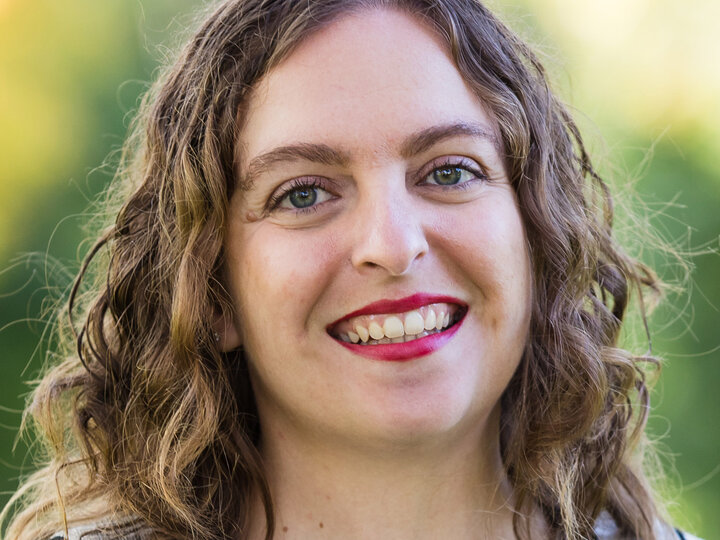
Program Leader, Corn Disease Resistance Traits, Corteva Agriscience™
Jen Jaqueth is the Program Leader for Corn Disease Resistance Traits at Corteva Agriscience™, where she specializes in the discovery of disease‑resistance genes in corn and advances trait deployment using state‑of‑the‑art gene‑editing technologies. She earned both her M.S. and Ph.D. in Genetics and Genomics from Iowa State University, focusing her graduate research on identifying genes involved in corn cytoplasmic male sterility. During her career at Corteva, Jaqueth has developed expertise across trait integration, gene discovery, and gene editing for both disease‑resistance and agronomic traits. Over the past five years, she has played a pivotal role in creating Multi‑Disease Resistant (MDR) corn using a Disease Super Locus (DSL) trait, an innovative gene‑editing strategy that combines and relocates native disease‑resistance genes into a single genomic region. By consolidating diverse resistance genes into one locus, this first-of-its-kind technology sets a new benchmark for durable crop protection and sustainable trait deployment.
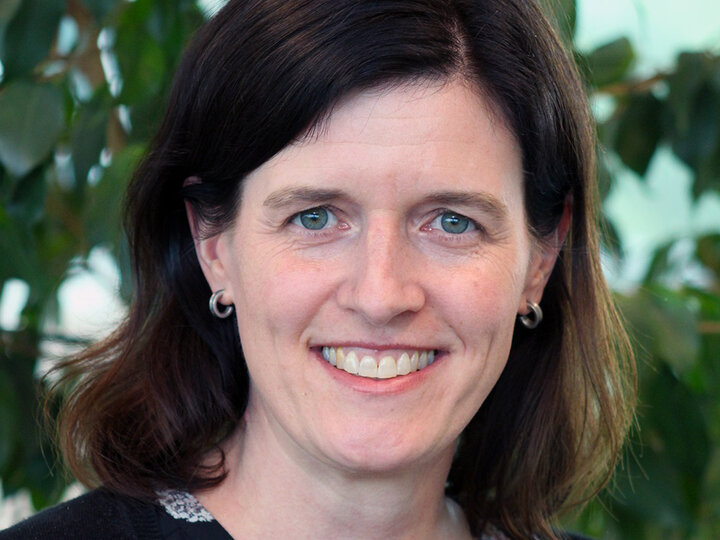
Geoffrey Morris, PhD
Professor of Crop Quantitative Genomics, Colorado State University
Geoffrey Morris is a professor of crop quantitative genomics at Colorado State University, working to understand and improve crop adaptation (CropAdaptation.org). Morris originally trained as an evolutionary genome biologist at the University of Chicago, then started building a program around applied plant sciences during his postdoc. His program at Colorado State identifies genomic variants that underline adaptation, develops new theory on genetic architecture of adaptation, and builds technology to breed resilient crops. Trait technology he developed is used to breed better-adapted varieties in the US, Africa, and Latin America, serving both smallholder farmers and commercial growers. As an educator, Morris aims to help early-career scientists bridge fundamental scientific theory and applied science, particularly with training material on applied scientific method (GoHy.org).

Jason Rauscher, PhD
Academic Relations Manager, Corteva Agriscience™
Jason Rauscher received his Ph.D. in Plant Evolutionary Genetics from Washington University in St. Louis, and postdoctoral training at Cornell University. He is a passionate science and education advocate leveraging over 20 years of experience in academia, research, secondary education and industry to foster mutually beneficial interactions between academia and the private sector in the agricultural and biological sciences. Rauscher is currently responsible for managing the Plant Sciences Symposia Series, which supports a network of graduate student organized symposia at over 30 universities and research centers around the world each year. Responsibilities also include management of the New Frontiers in Applied Science conference series, and support for the Corteva internship program for undergraduate and graduate interns working within R&D.

James Schnable, PhD
Professor of Agronomy and Horticulture, Nebraska Corn Checkoff Presidential Chair, University of Nebraska-Lincoln
James Schnable’s pioneering innovations in plant genomics, quantitative genetics, and phenotyping are reshaping how we understand, improve, and sustain the world’s major crops. His research focuses on the quantitative genetics and breeding of corn, sorghum, and other related crops, integrating new technologies and capabilities from engineering, computer science, and statistics. Combining genomically informed crop varieties with in-plant sensors, his work provides farmers with real-time insights into crop health and improved varieties that thrive with less fertilizer and greater stress tolerance. These advances have further enhanced profitability, conserved natural resources, and made agriculture more resilient to a changing climate. His work earned him the 2026 NAS Prize in Food and Agriculture Sciences for pioneering breakthroughs in plant genomics and quantitative genetics that are reshaping modern agriculture. Schnable has also founded three companies in the fields of bioinformatics, climate resilient agriculture, and precision agronomy, translating scientific discovery into real-world impact.

Sophie Travis, PhD
Assistant Professor of Biochemistry, University of Nebraska–Lincoln
Sophie Travis first discovered a love for proteins and their structures during her undergraduate research at Brandeis University. She obtained her doctorate in Molecular Biology at Princeton University, where, in the laboratory of Professor Frederick Hughson, she used X-ray crystallography to understand how vesicle trafficking is orchestrated at the endoplasmic reticulum. During her postdoctoral work with Professor Sabine Petry at Princeton, she became interested in the largest trafficking event in the cell—the segregation of DNA during mitosis—and used a combination of single-particle cryo-electron microscopy and single-molecule experiments to characterize how cells rapidly generate aligned microtubules through a process known as microtubule branching, which was supported by both NIGMS F32 and K99 fellowships. In 2025, Travis joined the biochemistry department at the University of Nebraska-Lincoln to start her independent research group, which uses a combination of structural and evolutionary biology to uncover how the nuclear envelope mediates microtubule formation.
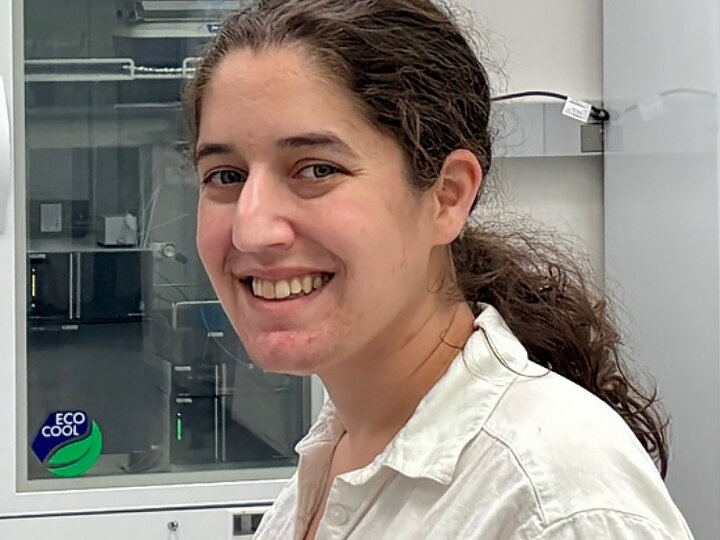
Michael Tross, PhD
Senior Data Scientist, Corteva Agriscience™
Michael Tross is a scientist specializing in the intersection of plant genetics and artificial intelligence, currently serving as a Senior Data Scientist at Corteva Agriscience. In this role, he develops data-driven solutions to enhance maize germplasm, building on an academic career that culminated in a PhD in Complex Biosystems emphasizing Integrated Plant Biology from the University of Nebraska-Lincoln. His research expertise spans genomics, transcriptomics, and phenomics, with a particular focus on maize and sorghum. Tross is recognized for his work in AI integration, where he builds novel models to analyze large-scale plant datasets. His professional experience also includes a residency at X, the moonshot factory (formerly Google X), where he applied advanced AI techniques to plant biology. Ultimately, his work seeks to understand how specific genes influence growth and environmental adaptability to drive global agricultural efficiency.
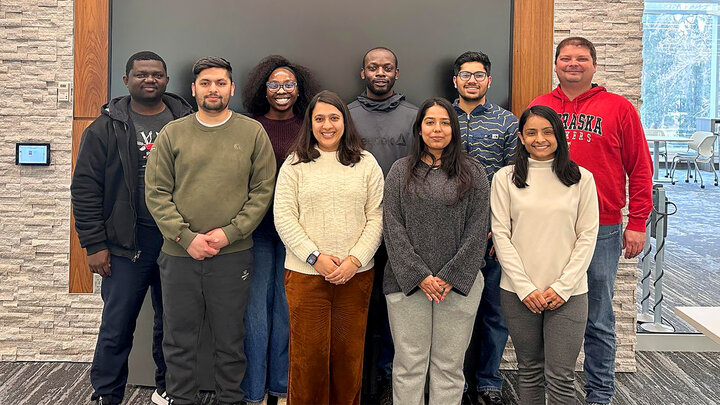
Symposium Committee
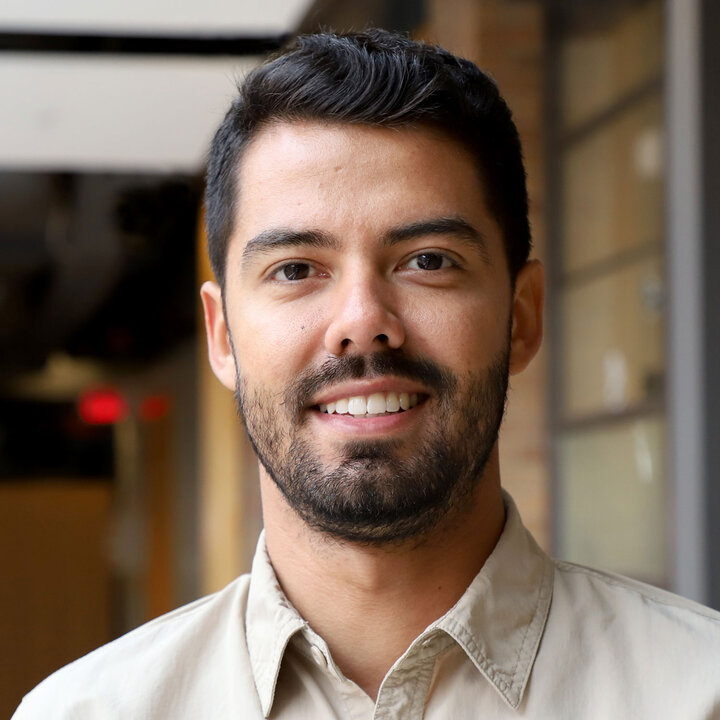
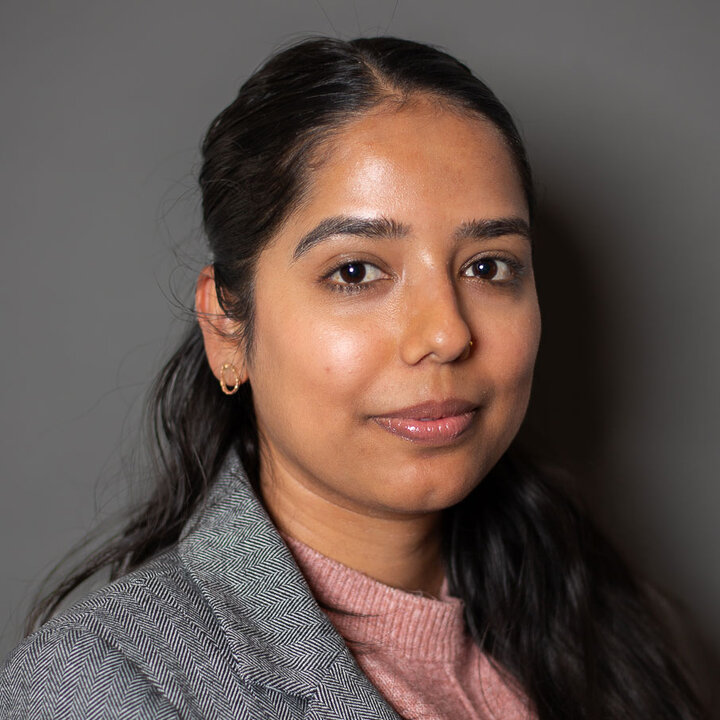
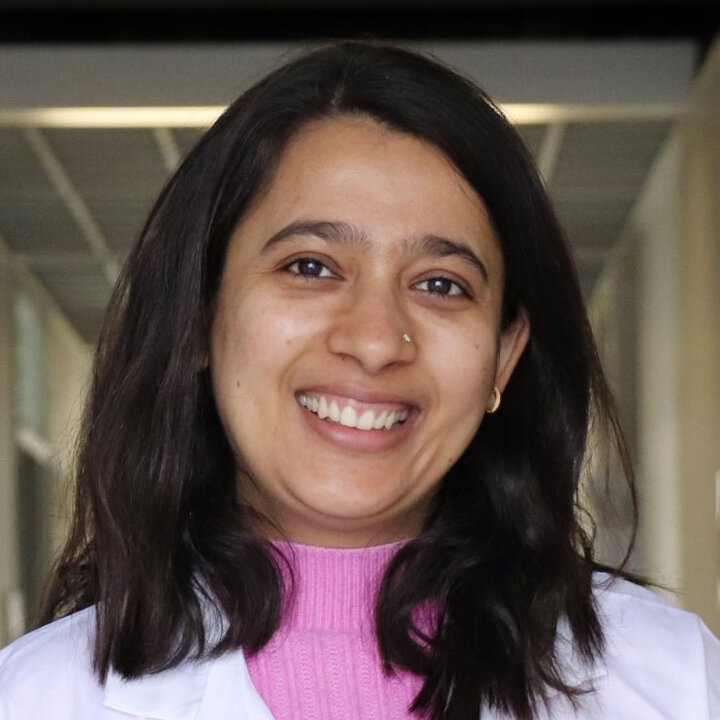
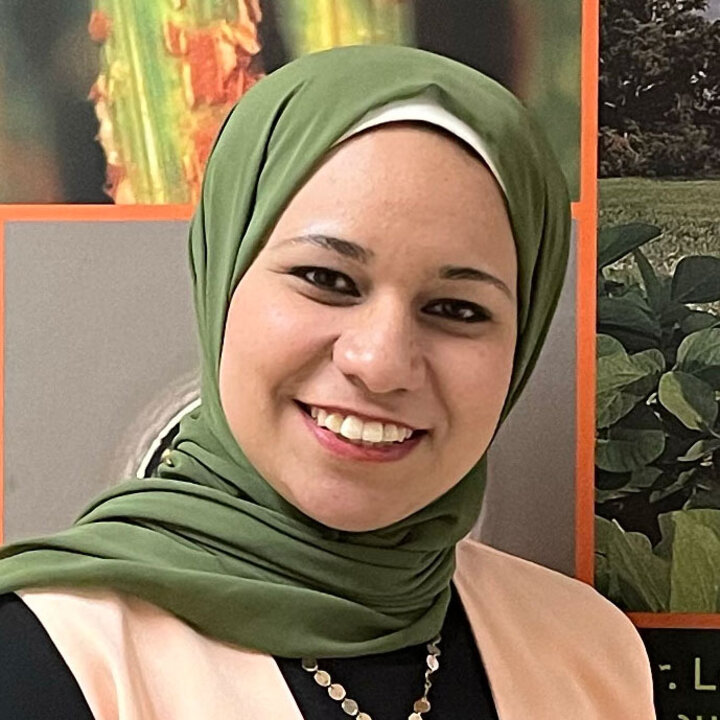



Student Competition Presentations
- Poster dimensions are 30 inches wide and 40 inches tall
- Student Presentations will be 15 minutes
- Lightning Talks will be 3 minutes with 1 slide (no animation)
Presentations from past Nebraska Plant Breeding Symposium can be viewed on UNL Media Hub Channel – Nebraska Plant Science Symposium or on YouTube.
Nebraska Innovation Campus: Bus Routes and Parking
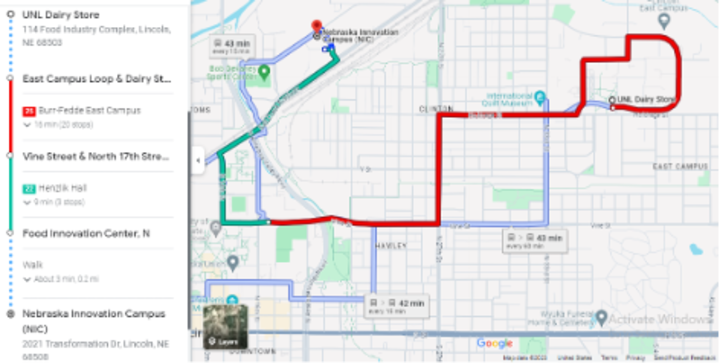
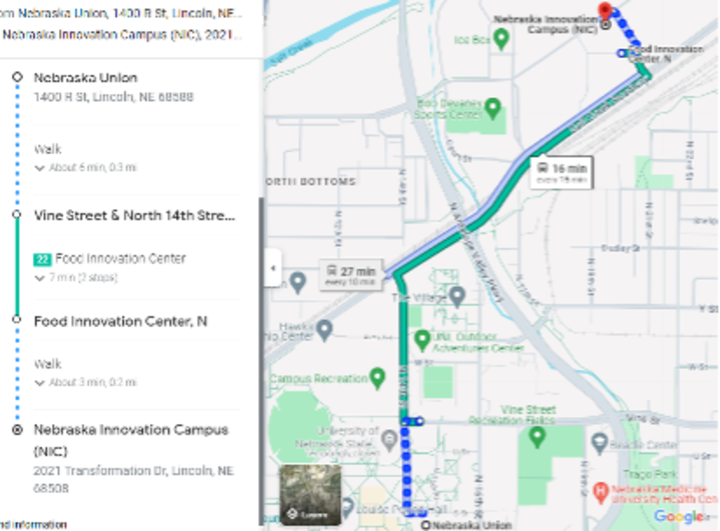
East campus to Nebraska Innovation Campus
First 25 and then 22. Other service: 23 (Van), every 20 min starting at 8 am from East Campus Dairy Store to NIC. For more information contact 402-326-8807.
Parking at NIC
UNL Staff and Faculty
If you have a University of Nebraska–Lincoln parking permit, please notify Parking and Transit Services and request that your permit be added to the reciprocal visitor list. Send the request from your official UNL email account to unlpts@unl.edu. Please request reciprocal parking at least 48 hours before your visit.
UNL Student permit
If you have a University of Nebraska–Lincoln student parking permit, do not use the Passport Parking app to pay for parking in the lot north of Transformation Drive. University of Nebraska–Lincoln student permits are valid in the student parking section of the paved lot north of Transformation Drive.
If you do not have a parking pass or are not affiliated to the university please see below:
- Visitors may use the large Red A-Lot on the north side of Transformation Drive.
- Visitors will need to pay for their parking using the Passport Parking App on their phone. Use Zone 9900. The cost for parking is $1.25 per hour or $6.00 per day. There will also be a $0.30 transaction fee charged by Passport.
- If you are uncomfortable using the Passport Parking app, or who do not have a smartphone, you can use ppprk.com to pay for parking using a computer or tablet in the web browser version of the app.
Funding for this symposium was provided by Corteva AgriscienceTM and from the University of Nebraska–Lincoln Department of Agronomy and Horticulture, Agriculture Research Division, the Dermot P. Coyne Distinguished Lectureship fund, Nebraska Center for Biotechnology, North Central Soybean Research Program and the Daugherty Water for Food Global Institute at the University of Nebraska–Lincoln. Thank you to the faculty and staff within the Department of Agronomy and Horticulture for their support.